Whether it’s a trip to the nearest coast or a tour of exotic countries, any journey begins with planning your budget. It is impossible to name the exact amount needed for a trip to a particular place, as the upcoming expenses are individual for each person. Where to start when drawing up a travel budget? With yourself. You are the main reason, goal, culprit, and at the same time judge of your expenses. Analyze your habits and what you can and cannot do without on a trip, how important comfort and quality food are to you — all of this must be taken into account.
The main expenses fall into three categories: transportation, accommodation, and food. The most expensive of these is usually accommodation, followed by transportation, and only then food expenses. But this also depends on the location and habits of the traveler.
To avoid unnecessary expenses, you should make a spending plan in advance from the beginning to the end of your trip. Here’s what it usually includes:
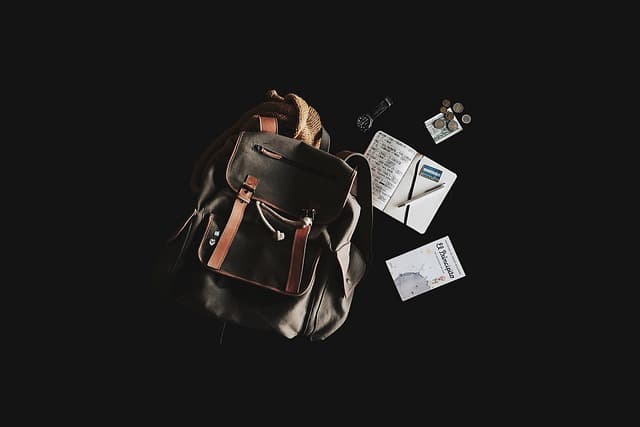
- Things you need for the trip. The main thing is a suitcase or backpack, then suitable clothing, equipment if you are going to the mountains or the sea, etc. The minimum required is a spacious backpack, documents, money, and a cell phone. Everything else can be purchased on site. But by preparing in advance, you can save a lot of money.
- Round-trip tickets and related transportation costs. This is often the largest expense, especially if you are traveling to Asia, America, or Australia. But don’t forget about the cost of buses, taxis, and subways once you arrive at your destination. You can find approximate prices on blogs and travel websites.
Accommodation. This is the easiest and most straightforward part. Depending on your preferred level of comfort, choose a suitable place on:
- Booking.com — hotels and hostels;
- Airbnb — rooms, apartments, or entire houses for rent;
- Couchsurfing — free accommodation;
- Read reviews, evaluate the proximity to the city center or places you want to visit, and check prices for several dates. Prices are significantly higher during the high season, so it is better to book as early as possible.
- Food. It is important to understand that it is unlikely that you will be able to cook while traveling, and eating out every day in cafes is quite expensive. It is better to find out the prices in advance, for example, using a website, and set aside a daily amount that you can spend on food.
These are the main items of expenditure. For trips abroad, take into account the cost of obtaining a passport, visa, and, if desired, insurance. Possible expenses include visits to museums, exhibitions, and amusement parks, as well as the purchase of magnets, hats, T-shirts, and other souvenirs.
Once you have calculated your budget, add another 10% to it for unforeseen expenses. There is always the possibility of an emergency, something may break or get lost, and it is better to be prepared for this than to dismiss such thoughts out of fear.
With a well-thought-out budget, you won’t spend more than you planned and you’ll enjoy your trip without worrying about money.