A trip to the heart of Africa is not just a vacation, but a real adventure. Kenya and Tanzania are the perfect combination for a safari route, where you can see the “big five” animals, meet the Maasai tribes, and admire some of the most picturesque landscapes on the planet. This itinerary includes the most iconic national parks, impressive sunrises, and the opportunity to come face to face with wildlife.
DAY 1: Nairobi (Kenya)
- Arrival in the capital;
- Visit to the Giraffe Center or Sheldrick’s Elephant Orphanage;
- Overnight stay in an eco-lodge or safari hotel.
Tip: Arrive in the morning or the day before to have time to acclimatize and prepare for the safari.
DAY 2–3: Masai Mara National Park (Kenya)
- Morning transfer (or flight) to Masai Mara;
- Day and evening safari in the savannah;
- Observation of lions, leopards, elephants, buffaloes, giraffes;
- Visit to a Masai village.
Special feature: From July to October, the great wildebeest migration takes place here — one of the world’s greatest natural spectacles.
DAY 4: Lake Nakuru (Kenya)
- Morning transfer to the Great Rift Valley;
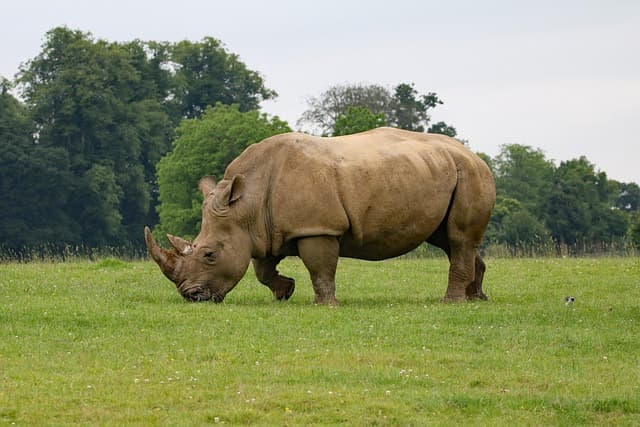
- Lake Nakuru — flamingos, rhinos, zebras, and rare bird species;
- Opportunity to see white rhinos up close;
- Overnight stay in a lodge overlooking the lake.
DAY 5–6: Serengeti National Park (Tanzania)
- Crossing the border into Tanzania (via Isibania or Namanga);
- A long but scenic drive to the Serengeti;
- Evening and morning safaris across the endless plains;
- Overnight stay at a safari camp in the center of the park.
Animals: Cheetahs, elephants, lions, jackals, thousands of antelopes and birds.
DAY 7: Ngorongoro Crater (Tanzania)
- Transfer to the crater — one of the world’s major natural attractions;
- Descent to the bottom of the crater (a volcanic bowl with its own ecosystem);
- Opportunity to see black rhinos and predators hunting;
- Stay at the edge of the crater — stunning views at sunrise.
DAY 8–9: Tarangire National Park (or Lake Manyara)
- Transfer to a lesser-known but picturesque park;
- In Tarangire — thousands of elephants, baobab trees, leopards;
- In Manyara — lions living in trees and lots of birds;
- Last safari before returning home.
DAY 10: Arusha — flight home
- Transfer to the city of Arusha;
- Opportunity to visit the market, buy coffee and souvenirs;
- Departure from Kilimanjaro Airport (JRO) or Arusha.
Best time to travel
- July–October: dry season and the great wildebeest migration;
- January–February: calving season, fewer tourists;
- March–May: rainy season — green, but more difficult for safaris.
What to bring:
- Light-colored clothing (neutral tones);
- Panama hat, sunscreen;
- Binoculars and camera with zoom lens;
- Mosquito repellent;
- Light jacket for morning safaris;
- Walking shoes.
Useful tips:
- Visas: Kenya and Tanzania require an electronic visa;
- Vaccinations: yellow fever vaccination and malaria prophylaxis are recommended;
- Communication: limited internet access on safari, it is better to download offline maps and a translator;
- Transport: 4×4 jeeps with a guide and an open roof are standard on safari.
Conclusion
A safari in Kenya and Tanzania is a journey that will leave a lasting impression on your soul. It’s not just about beautiful photos — it’s about the moment when you look into the eyes of a wild lion, wake up to the cries of hippos, or watch the sunset over the savannah. Such a journey is a true encounter with nature in all its grandeur and freedom.