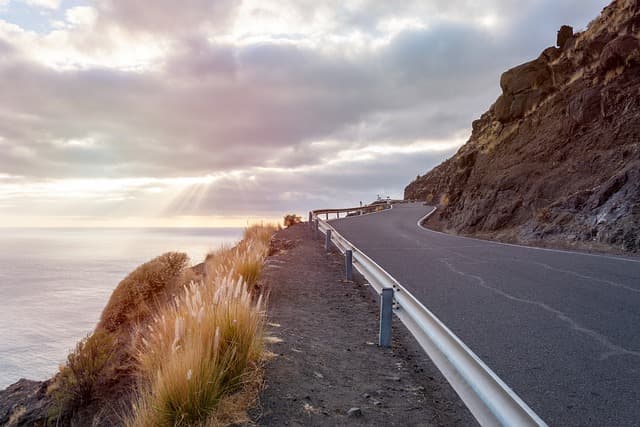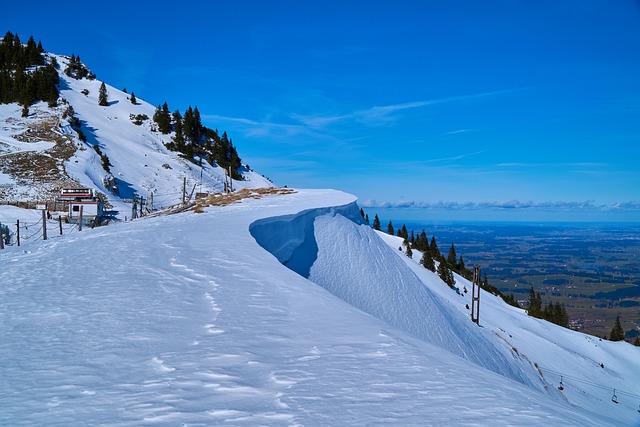
The Alps are the heart of Europe and a true paradise for those seeking adventure in any season. In winter, they transform into a snow-covered kingdom with perfect slopes for skiing and snowboarding, and in summer, they become blooming pastures, green gorges, and trails with breathtaking views. This route will show you two sides of the Alps: from glaciers to alpine lakes, from mountain villages to high mountain passes.
Day 1: Geneva (Switzerland) — the gateway to the Alps
- Arrival in Geneva, transfer to the city
- Walk through the old town, Lake Geneva, and the promenade
- In the evening — Swiss fondue and preparation for the mountain route
Tip: Bring a windbreaker with you at any time of year — it is often windy near the lake.
Day 2: Chamonix (France) — at the foot of Mont Blanc
- Transfer to Chamonix (about 1.5–2 hours by train or transfer);
- Cable car to Aiguille du Midi (3,842 m): observation deck with a view of Mont Blanc;
- In summer — hiking along the trails around Lake Blanc;
- In winter — skiing or snowboarding, slopes for all levels.
Tip: Book the lift in advance — Aiguille du Midi is popular all year round.
Day 3: Zermatt (Switzerland) — Matterhorn and glaciers
- Morning transfer to Zermatt;
- Winter — skiing on one of the most picturesque slopes in the world with a view of the Matterhorn;
- Summer — hike to Lake Riffelsee, which reflects the Matterhorn peak;
- Evening — stroll through the cozy car-free village (Zermatt is completely pedestrianized).
Day 4: Interlaken and Lauterbrunnen
- Trip to the Interlaken region;
- In winter — sledding trails and snowy views of the Jungfrau;
- In summer — walk through the Lauterbrunnen Valley with its 72 waterfalls;
- We recommend taking the train to Jungfraujoch, the highest station in Europe.
Tip: Be prepared for changing weather conditions — it can be winter at high altitudes even in July!
Day 5: Lucerne — lakes, history, and mountains
- Transfer to Lucerne — one of the most beautiful cities in Switzerland;
- Walk across the Kapellbrücke (the oldest wooden bridge in Europe);
- In summer — climb Pilatus or Rigi (cable car + funicular);
- In winter — Christmas market, ice skating, winter cruises on the lake.
Day 6: Innsbruck (Austria) — Alpine culture
- Transfer to Innsbruck, the capital of Tyrol;
- In winter: Olympic trails and cozy Alpine chalets;
- In summer: trekking in the Nordkette area, panoramic views of the valleys;
- Old town: Golden Roof, medieval streets, Tyrolean cuisine.
Day 7: Rest and departure
- Return to Geneva, Munich, or Zurich (depending on the return flight route);
- On the way — stop at an alpine lake or winery;
- Last Swiss chocolate before departure;
Is the route suitable in winter and summer?
Yes!
- In winter, it is ideal for skiers, snowboarders, and those who love the winter atmosphere and snowy peaks.
- In summer, the route turns into a hiking paradise with green alpine meadows, blue lakes, and a mild climate.
What to bring:
- Any time of year: comfortable shoes, sun protection, sunglasses, layers of clothing;
- In winter: thermal underwear, gloves, ski clothing;
- In summer: windbreaker, water bottle, cap or panama hat.
Conclusion
The Alps are not just mountains. They are a whole world of emotions, adventures, tastes, and discoveries. In winter, they give a feeling of celebration and grandeur, in summer — peace, nature, and strength. Regardless of the season, traveling this route will leave you inspired and refreshed.